Whether you’re clearing out a garage in St. Louis, replacing a roof in Kansas City, or tackling a renovation in Columbia, renting a roll-off dumpster can turn an overwhelming mess into a streamlined plan. The right trash rental service provides a fast drop-off, clear guidance on what can go in the container, and straightforward pricing that fits your timeline. From 10-yard bins for small cleanouts to 40-yard containers for major demolitions, understanding sizes, rules, and local logistics is the key to a stress-free experience. Below, discover how to choose the proper dumpster, navigate Missouri permitting, and load efficiently so you save time, control costs, and keep your project compliant with local disposal guidelines.
What Is Trash Rental and When Do You Need It?
Trash rental—often called a roll-off dumpster rental—provides a temporary container delivered to your property or jobsite so you can safely and legally consolidate debris. A truck brings the dumpster, places it where you need it, and returns for pickup once your project is complete. This simple setup solves the most common debris challenges for homeowners, contractors, property managers, and business owners across Missouri. If you’re weighing multiple trips to the landfill in a pickup truck, a single dumpster can be faster, safer, and more cost-effective.
Typical residential uses include decluttering a basement in St. Louis, getting rid of old furniture and broken toys after a move in Springfield, or handling storm debris in Jefferson City. Remodeling jobs—like a kitchen overhaul in Columbia or a bathroom refresh in Kansas City—benefit from a central place to toss drywall, flooring, cabinets, and fixtures. On commercial and construction sites, roll-offs streamline roof tear-offs, concrete removal, new builds, and full-scale demolition where bulky, heavy, or mixed materials add up quickly.
Missouri projects also come with local rules about what can be thrown away. Household junk, wood, siding, flooring, drywall, shingles, and most construction debris are typically allowed. But some items need special handling, such as tires, appliances with refrigerants, electronics, and hazardous materials like paints or chemicals. A reputable provider will explain how to separate or exclude restricted items and offer guidance on recycling streams for concrete, asphalt, metal, and yard waste. If you need help matching a bin to your debris type and timeline, local experts can outline sizes, weight limits, and delivery options tailored to your zip code. For statewide details and scheduling in major cities and surrounding communities, explore trash rental to get clarity on container choices, service areas, and city-specific requirements.
Choosing the Right Dumpster Size, Pricing, and Permits in Missouri
Picking the ideal size is the most important decision you’ll make. Too small and you’ll pay for extra hauls; too large and you’ll waste budget. As a rule of thumb, a 10-yard dumpster fits many small cleanouts, single-room projects, or light remodeling scrap. A 15-yard adds breathing room for apartment turns or small deck removals. A 20-yard is a versatile favorite for mid-size remodels, multi-room cleanouts, and roof tear-offs. Larger projects rely on 30-yard and 40-yard containers for bulky demolition debris, commercial build-outs, or major property upgrades. When in doubt, describe the square footage of your project, estimated number of contractor bags, and the heaviest items (like shingles, tile, or concrete) so you’re matched with the right container and weight limit.
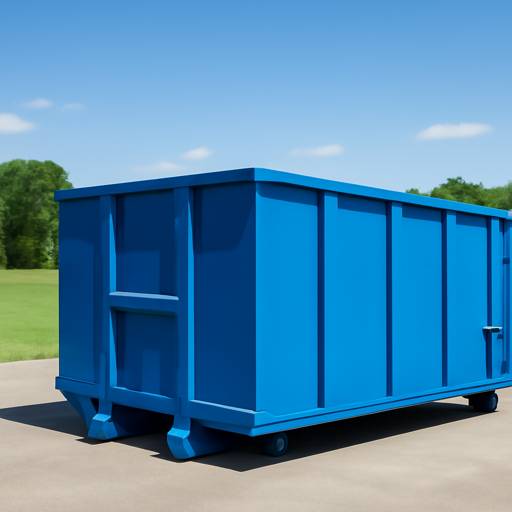
Transparent pricing typically includes delivery, a set rental period, a specific weight allowance, and pickup. Extra costs can apply if you exceed the weight limit, extend the rental term, or request additional swaps. To avoid surprises, ask for a breakdown that covers landfill or transfer fees, overage rates per ton, and any add-ons for specialty materials. Placing the dumpster on a driveway or private property usually doesn’t require permits. However, setting it on a public street, sidewalk, or right-of-way often does—especially in larger municipalities.
In cities like St. Louis and Kansas City, permits may be required if your container occupies public space. Springfield and Columbia can have similar guidelines depending on block-by-block parking rules and event schedules. Jefferson City and surrounding towns may ask for contact information, placement dates, and proof that the bin won’t block hydrants, bus stops, or ADA access. A good provider will help you determine whether you need a permit, how long approvals take, and exactly where to place the container for safe loading and easy pickup. Before delivery, scout a level spot with 60–75 feet of clearance for the truck to roll off the bin, clear low branches or power lines, and place plywood or boards to protect delicate driveways. With smart sizing, clear pricing, and proper permits, you’ll keep your cleanup on schedule and your neighborhood satisfied.
Smart Loading, Recycling Strategies, and Real-World Missouri Scenarios
Once your dumpster arrives, how you load it determines both safety and savings. Start with flat, heavy items on the bottom, then fill gaps with lighter debris so materials settle evenly. Keep the load level with the top rail—overfilling risks unsafe transport and can trigger extra fees or declined pickups. Separate prohibited items at the start of your project so they don’t accidentally end up in the container. When possible, sort materials that are prime candidates for recycling: metal, clean cardboard, and segregated concrete or asphalt are commonly diverted from landfills, helping reduce disposal costs and environmental impact.
For yard projects across Missouri, many teams provide containers specifically for green waste, which may be sent to composting or mulching facilities. Roofing contractors often choose a 20-yard dumpster for asphalt shingles because it balances capacity with manageable weight. Renovators removing tile, brick, or masonry may opt for a smaller container with higher weight tolerance to avoid overage fees. Concrete is heavy: even a partial 10-yard load can push weight limits, so discuss “clean” concrete-only bins that qualify for special recycling rates.
Here are a few practical examples that mirror common Missouri projects:
– Kansas City roof tear-off: A 20-yard roll-off positioned near the driveway streamlines shingle removal. Crews load as they strip, keeping the site tidy and reducing labor time. Because shingles are dense, a mid-size container helps stay within weight thresholds.
– St. Louis basement cleanout: A 10-yard bin fits furniture, small appliances without refrigerants, and bagged clutter. Keeping heavier items at the bottom and breaking down bulky pieces maximizes space. The bin fits easily in tight city driveways, avoiding street permits.
– Springfield storm cleanup: A 30-yard dumpster handles branches, fencing, and damaged siding. When green waste is separated, it can often be routed to more sustainable disposal, and lighter materials mean fewer concerns about weight overages.
– Columbia renovation with concrete patchwork: Pairing a 15-yard for general debris with a dedicated small container for concrete keeps recycling options open, lowers disposal costs, and avoids overweight surprises.
Across Jefferson City, suburban communities, and rural job sites, the same best practices apply: choose the right size, confirm what’s allowed, secure permits for public placement when necessary, and load methodically. Ask your provider about turnaround times for swap-outs so momentum doesn’t stall during peak construction seasons. Reliable teams offer fast delivery and pickup windows that align with demolition phases, roofing schedules, and inspection dates. With the right plan—smart sizing, careful loading, and attention to city guidelines—your trash rental becomes a seamless part of the project, not another item on the to-do list.

Ankara robotics engineer who migrated to Berlin for synth festivals. Yusuf blogs on autonomous drones, Anatolian rock history, and the future of urban gardening. He practices breakdance footwork as micro-exercise between coding sprints.